Does Veneers Procedure Damage Natural Teeth?
Worried about your enamel? Discover the truth: does veneers procedure damage natural teeth? Learn about prep-work, safety protocols, and 2026 dental secrets.
The dream of a flawless, symmetrical smile is often met with a common, lingering hesitation: does veneers procedure damage natural teeth? It is a valid concern. We have all seen the viral “shark teeth” videos on social media, where teeth are filed down to tiny pegs, leaving patients and viewers alike questioning the long-term health of the underlying tooth structure. This fear of irreversible damage is the single biggest barrier for patients seeking aesthetic perfection.
At Hayat Laviva Clinic, our “Success Together” philosophy is rooted in biological preservation. We don’t believe that a beautiful smile should come at the cost of your dental health. In the hands of a specialized aesthetic dentist, the answer to your concern is far more reassuring than the internet might suggest. This guide dives deep into the clinical reality of the procedure, debunking myths and explaining how modern technology ensures your natural teeth stay strong beneath their new, radiant exterior.
1. The “Shark Teeth” Myth: Veneers vs. Crowns
The biggest source of confusion regarding whether the veneers procedure damage natural teeth is the difference between a dental crown and a dental veneer.
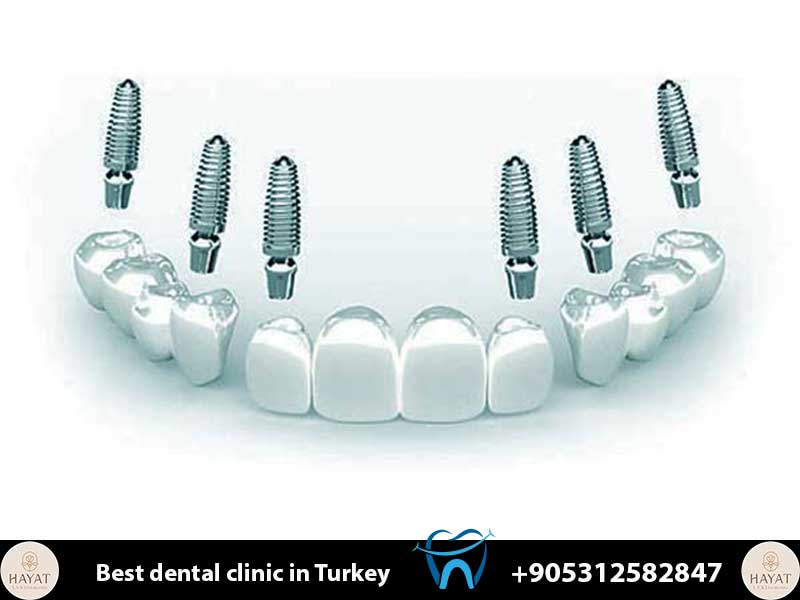
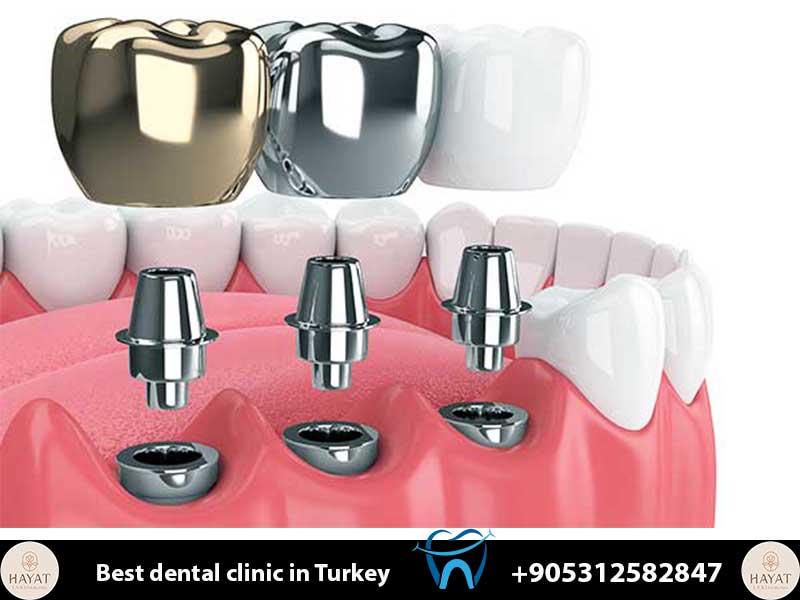
- Dental Crowns: Require the removal of 60% to 70% of the natural tooth structure. The tooth is reshaped into a peg to allow the crown to fit over it like a 360-degree helmet. This is often what people see in “horror story” videos.
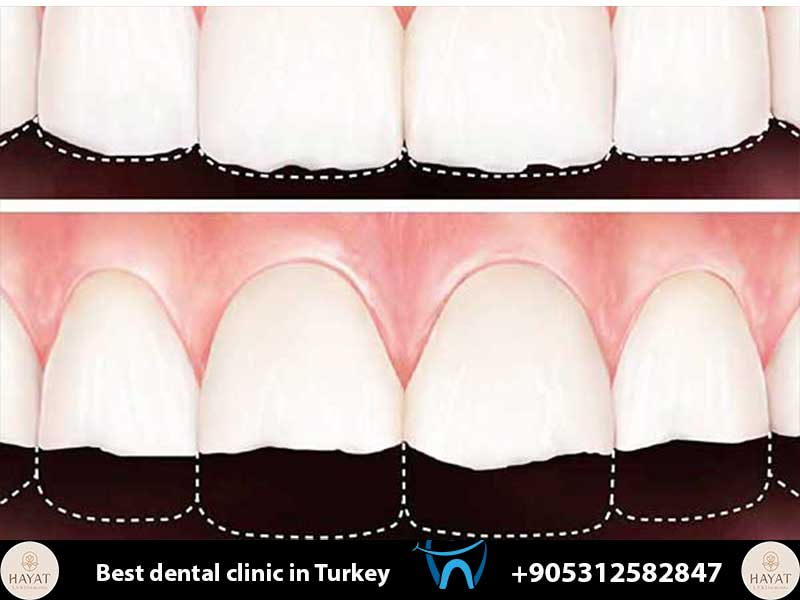
- Dental Veneers: Are designed to be ultra-conservative. They are thin shells that cover only the front surface. A proper veneers procedure involves removing only a microscopic layer of enamel—usually between 0.3mm and 0.7mm.
When performed correctly, the “damage” is so minimal that the tooth remains structurally sound, healthy, and vital. The goal is not to replace the tooth, but to “resurface” it.
2. The Science of Enamel Preparation: Is It “Damage”?
Technically, any removal of enamel is permanent, as enamel does not grow back. However, calling this “damage” is medically inaccurate when it serves a restorative purpose. Here is why the preparation is necessary for a successful result:
- Preventing “Bulky” Teeth: If we bonded a veneer directly onto an unprepared tooth, the result would look thick and unnatural. Removing a fraction of a millimeter ensures the veneer sits flush with your gum line.
- Creating a Strong Bond: Smooth enamel is difficult to stick to. By lightly etching or “roughing” the surface, we create microscopic pores that allow the bonding resin to create a chemical and mechanical lock.
- Correcting Misalignment: In cases of slightly crooked teeth, the “prep work” allows us to bring the teeth into perfect alignment without the need for years of braces.
At Hayat Laviva Clinic, we utilize Minimally Invasive Dentistry. If your teeth are already small or have gaps, we may even perform a “No-Prep” procedure, leaving your natural enamel completely untouched.
3. Does the Tooth Decay Underneath the Veneer?
A frequent follow-up to does veneers procedure damage natural teeth is the fear that the covered tooth will “rot.”
This is a biological impossibility if the veneer is fitted correctly. A veneer is bonded to the enamel with a high-strength, light-cured resin that creates a hermetic seal. Bacteria cannot get underneath the veneer once it is bonded.
The real risk is not the veneer—it is the hygiene. While the porcelain cannot decay, the natural tooth structure at the back and the root remains vulnerable to cavities if you do not brush and floss. If a tooth decays under a veneer, it is almost always due to poor margins (a gap between the veneer and the tooth) or poor oral hygiene, not the veneer itself.
4. Protection vs. Destruction: How Veneers Benefit Teeth
In many cases, the veneers procedure actually protects natural teeth rather than damaging them.
- Strengthening Cracked Teeth: If you have fine “craze lines” or minor cracks in your enamel, a porcelain veneer acts as a protective shield, preventing the crack from spreading.
- Correcting Acid Erosion: Patients with thin enamel due to acid reflux or diet often suffer from sensitivity. A veneer replaces that lost protection with a durable, non-porous ceramic layer.
- Stain Defense: Natural enamel is porous and absorbs stains from coffee and tobacco. Porcelain is a glass-ceramic; it does not stain, protecting the aesthetics of your smile for 15+ years.
5. Summary Table: Veneers vs. Natural Tooth Health
| Factor | Result of Professional Procedure | Result of Poor-Quality Work |
| Enamel Removal | 0.3mm – 0.5mm (Ultra-thin) | 1.5mm+ (Aggressive shaving) |
| Tooth Sensitivity | Temporary (24–48 hours) | Chronic/Permanent |
| Gum Health | Pink, healthy, firm | Red, inflamed, bleeding |
| Bond Integrity | Hermetic seal (No decay) | Gaps/Leakage (Decay risk) |
| Reversibility | Permanent (Requires veneers) | Permanent (Risk of root canal) |
Veneers vs Lumineers Pros Cons Cost: The Ultimate 2026 Comparison Guide
Realistic Medical Guidance: The Importance of the Surgeon
The question does veneers procedure damage natural teeth should really be: Who is performing your procedure?
Natural tooth damage occurs when a dentist is “aggressive” with the drill to save time. At Hayat Laviva Clinic, we use Bio-Digital Planning. We scan your teeth in 3D before we touch them, creating a “surgical guide” that ensures we only remove the absolute minimum amount of enamel required for your specific smile design.
Warning Signs of Bad Procedure:
- If the dentist does not take a 3D scan or X-ray first.
- If your teeth look like “pegs” after the preparation.
- If the dentist uses the same “template” for every patient.
Why Choose Hayat Laviva Clinic for Safe Veneers?
We are world leaders in cosmetic dentistry because we prioritize the biology of our patients. Our “Success Together” protocol ensures:
- Prosthodontic Expertise: Our doctors are specialists in dental prosthetics, meaning they understand the exact physics of enamel bonding.
- Original Swiss & German Materials: We use E-Max and Zirconia that are strong enough to be made ultra-thin, preserving your natural teeth.
- VIP Concierge Service: We manage your entire journey in Istanbul, including luxury transfers and 5-star accommodation, so you can focus on your transformation without stress.
- The Success Together Warranty: We provide a comprehensive warranty on our work, standing by the health of both the restoration and the tooth underneath.
🏁 Reclaim Your Smile Without Compromise
You don’t have to sacrifice your health for beauty. When done correctly, the veneers procedure is a safe, life-changing enhancement that respects your natural biology.
Are you ready to see if you are a candidate for “No-Prep” or “Minimal-Prep” veneers? Contact Hayat Laviva Clinic today for a Free Digital Consultation. Send us a photo, and our specialists will analyze your enamel to ensure your transformation is a permanent success.
❓ FAQ: Does Veneers Procedure Damage Natural Teeth?
1. Does veneers procedure damage natural teeth permanently?
The removal of a thin layer of enamel is permanent, as enamel cannot grow back. However, it does not “damage” the health or function of the tooth when performed by a specialist. The tooth remains strong and vital.
2. Can I go back to my natural teeth after veneers?
Generally, no. Because a thin layer of enamel is removed, your natural teeth would look “rough” and be sensitive if the veneers were removed. You would need to replace them with new veneers or crowns.
3. Do veneers cause tooth sensitivity?
You may experience “rebound sensitivity” to cold or hot for 24–48 hours after the procedure. Because modern veneers are so thin and the bonding is so precise, permanent sensitivity is extremely rare.
4. How much enamel is removed for veneers?
In a professional clinic, only about 0.3mm to 0.5mm is removed. For comparison, that is about the thickness of a fingernail.
5. Can I get veneers without any drilling?
Yes! These are called “No-Prep” veneers (like Lumineers). They are only suitable for patients who have small teeth or gaps. Our specialists will determine if you are a candidate during your 3D scan.
6. Will my teeth rot under the veneers?
Not if they are fitted correctly. The medical-grade resin creates a waterproof seal. Decay only happens if the patient has poor oral hygiene or if the veneer was poorly fitted by an unskilled dentist.
7. Why do some people’s teeth look like “pegs” on TikTok?
Those people likely received Full Crowns, not veneers. Some clinics in Turkey and elsewhere mistakenly (or aggressively) shave teeth for crowns while calling them veneers. At Hayat Laviva, we prioritize ultra-thin veneers to avoid this.