signs of dental implant failure prevention
Worried about your new smile? Learn the 7 critical signs of dental implant failure prevention tips and how to protect your investment for a lifetime.
The transition from missing teeth to a permanent, radiant smile is one of the most rewarding journeys in modern medicine. However, once the surgery is over, a new priority takes center stage: maintenance. While dental implants boast a global success rate of over 95%, they are not invincible. Recognizing the early signs of dental implant failure prevention is the difference between a minor adjustment and the loss of your entire restoration.
At Hayat Laviva Clinic, our “Success Together” philosophy doesn’t end when you leave Istanbul. We believe that an informed patient is the best defense against complications. Whether you just received your implants or have had them for years, understanding the biological red flags can empower you to act before it’s too late.
What is Dental Implant Failure?
Before diving into the symptoms, we must distinguish between the two types of failure:
- Early Failure: Occurs within the first 3–4 months, usually because the bone failed to fuse with the titanium post (osseointegration).
- Late Failure: Occurs years later, often due to infection (peri-implantitis) or excessive mechanical stress.
Detecting the signs of dental implant failure prevention starts with knowing what “normal” looks like and identifying when your body is signaling for help.
7 Critical Signs of Dental Implant Failure
If you notice any of the following symptoms, it is vital to contact your dental specialist immediately.
1. Persistent Pain or Discomfort
While minor throbbing is normal for the first 3–5 days post-surgery, sharp or radiating pain that occurs weeks or months later is a significant red flag. This often indicates an underlying infection or that the implant is putting pressure on a nerve.
2. Micromovement or Looseness
A successful dental implant should feel like a natural part of your jawbone—completely stationary. If you feel the implant “wiggle” when you talk or chew, the bone bond has likely been compromised.
3. Swollen or Inflamed Gums
Healthy gums around an implant should be pink and firm. If the tissue becomes red, puffy, or starts to bleed during brushing, you may be experiencing the early stages of peri-implantitis.
4. Difficulty Chewing or Biting
If biting down feels “spongy” or causes a sharp pinch, it suggests the implant is not properly seated or the prosthetic crown has become loose, creating a gap where bacteria can thrive.
5. Receding Gums Around the Implant
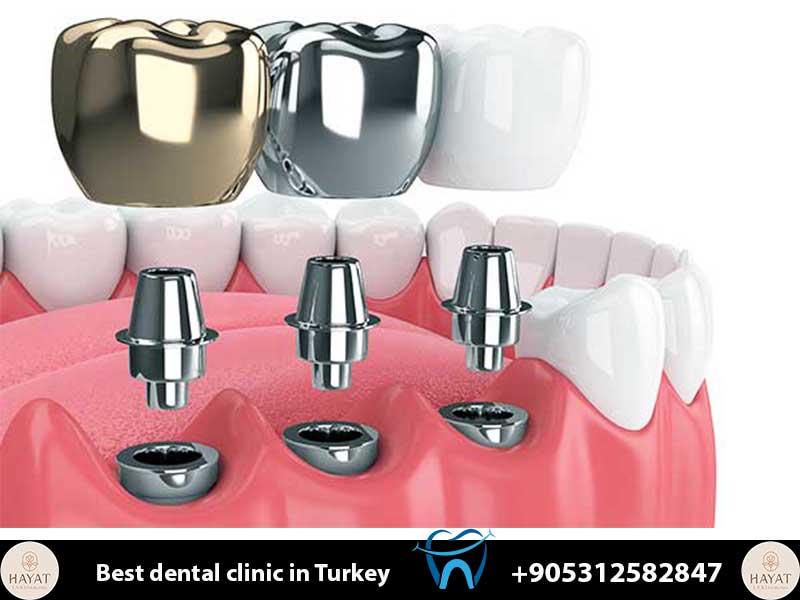
If the metal of the implant post or the silver “abutment” begins to show at the gum line, it indicates bone loss. Receding gums are often the body’s way of pulling away from an infected site.
6. Pus or Unpleasant Taste
The presence of discharge (pus) around the implant site is a clear sign of an active bacterial infection. This is often accompanied by a persistent bad taste in the mouth or foul breath (halitosis).
7. Numbness or Tingling
Numbness in the lips, chin, or tongue following the healing phase suggests that the implant may be encroaching on a nerve canal. This requires immediate imaging to prevent permanent nerve damage.
The Root Causes: Why Do Implants Fail?
Understanding the signs of dental implant failure prevention requires looking at the “why.”
- Peri-implantitis: This is the most common cause of late failure. It is a form of gum disease that attacks the bone holding the implant.
- Insufficient Bone Density: If the implant was placed in bone that was too thin without a bone graft, it may eventually lose its grip.
- Medical Conditions: Uncontrolled diabetes or autoimmune disorders can slow down the body’s ability to heal and maintain the bone-to-metal bond.
- Mechanical Overload: Chronic teeth grinding (bruxism) or a misaligned bite can put 3x the normal force on an implant, causing it to crack or loosen.
Clinical Prevention Strategies: Protecting Your Investment
The best way to manage failure is to ensure it never happens. At Hayat Laviva Clinic, we implement a multi-layer prevention protocol.
The “Bio-Digital” Shield
We use 3D CBCT scans to map your bone with sub-millimeter precision. By placing the implant in the highest-density bone available, we mathematically reduce the risk of early failure.
Professional Maintenance Schedule
- The 6-Month Rule: Even if everything feels perfect, professional cleanings are mandatory. Traditional dental tools can scratch titanium, so we use specialized carbon-fiber or ultrasonic cleaners designed for implants.
- Imaging Check-ups: We recommend a digital X-ray every 12–24 months to monitor the bone levels that are invisible to the naked eye.
Lifestyle Adjustments
- Smoking Cessation: Smoking restricts blood flow to the gums, which is the leading lifestyle factor for implant failure.
- Night Guards: If you have a history of grinding your teeth, a custom-made night guard is the “insurance policy” your implants need.
Comparison: Healthy vs. Failing Implant
| Symptom | Healthy Implant | Failing Implant (Red Alert) |
| Stability | Rock-solid, zero movement | Wiggles or rotates |
| Gum Color | Pale pink and firm | Red, purple, or bleeding |
| Sensation | No sensation (like a tooth) | Throbbing, sharp pain, or numbness |
| Bone Level | Stable on X-ray | Visible “shadows” or bone loss |
| Aesthetics | Gum covers the metal | Metal post is visible |
Realistic Medical Guidance: What to Do if You Suspect Failure
If you recognize the signs of dental implant failure prevention, do not panic, but do not wait.
- Stop Chewing on that Side: Reduce the mechanical load on the implant immediately.
- Rinse with Antimicrobial Wash: Use a chlorhexidine rinse to lower the bacterial load around the gums.
- Book a 3D Scan: A standard photo or mirror check isn’t enough. You need a digital scan to see if the infection has reached the bone.
- Early Intervention: If caught early, an infected implant can often be saved through “implant detoxification” or a minor bone graft. If you wait, the only option is removal and replacement.
Why Choose Hayat Laviva Clinic for Long-Term Success?
At Hayat Laviva Clinic in Istanbul, our commitment to your smile is permanent. We mitigate the signs of dental implant failure prevention by:
- Premium Material Selection: We exclusively use brands like Straumann and Nobel Biocare, which have the highest documented success rates in clinical history.
- Maxillofacial Expertise: Our surgeries are performed by specialists who understand the complex biology of the jaw, not general dentists.
- VIP Aftercare Support: Our coordinators are available 24/7 to review photos or discuss symptoms you might be experiencing once you return home.
- Success Together Warranty: We provide a lifetime guarantee on the implant post, giving you peace of mind that we stand by our clinical work.
❓ FAQ: Signs of Dental Implant Failure & Prevention
1. What are the earliest signs of dental implant failure?
The earliest signs are usually swelling that doesn’t go away, a dull ache that persists after the first week, or a slight “shifting” sensation when you touch the implant with your tongue.
2. Can a failing dental implant be saved?
Yes, if caught in the “Peri-implant mucositis” stage (inflammation of the gums only), it can be saved with deep cleaning and antibiotics. Once bone loss occurs, saving the implant becomes much more difficult.
3. Is it normal for a dental implant to hurt years later?
No. An implant that has been stable for years should be painless. Pain after the healing phase usually indicates infection or a mechanical issue with the crown.
4. How can I prevent dental implant failure at home?
The most effective prevention is a combination of using a Waterpik (water flosser), brushing with a non-abrasive paste, and strictly avoiding smoking.
5. Does a loose crown mean the implant is failing?
Not necessarily. Sometimes the screw holding the crown to the implant becomes loose. This is a simple 10-minute fix. However, you must see a dentist to ensure the looseness isn’t coming from the implant post itself.
6. Can an implant fail due to a “titanium allergy”?
While extremely rare (less than 0.1% of the population), some people have sensitivities. We offer ceramic (Zirconia) implants as a 100% metal-free alternative for sensitive patients.
7. How much does it cost to fix a failing implant in Turkey?
Costs vary depending on whether you need a cleaning, a new crown, or a replacement. At Hayat Laviva Clinic, we prioritize our existing patients to ensure their “Success Story” stays on track at minimal cost.
🏁 Protect Your Success
Your smile is an investment in your quality of life. By staying vigilant for the signs of dental implant failure prevention and maintaining a partnership with your clinical team, you can ensure your restoration lasts a lifetime.
Do you have concerns about an existing implant? Contact Hayat Laviva Clinic today for a Free Digital Consultation and let our experts ensure your smile remains a success.