titanium vs zirconia implants comparison
Deciding between metal and ceramic? Read our titanium vs zirconia implants comparison to discover the pros, cons, and costs of each for your permanent smile.
The evolution of dental science has reached a point where missing teeth are no longer a permanent handicap. However, as technology advances, so does the complexity of the choices facing patients. The most significant debate in modern restorative dentistry today centers on a foundational question: which material should anchor your new smile?
A titanium vs zirconia implants comparison isn’t just about choosing between a metal and a ceramic; it’s about aligning your body’s unique biology with the mechanical requirements of a lifelong medical device. At Hayat Laviva Clinic, our “Success Together” philosophy is built on providing personalized clarity. Whether you are looking for the time-tested strength of titanium or the hypoallergenic, metal-free aesthetics of zirconia, understanding the technical nuances of each is essential for your long-term success.
1. What are Titanium Implants? (The Industrial Gold Standard)
For over six decades, titanium has been the undisputed champion of implant dentistry. Titanium dental implants are usually made from a high-grade alloy (Grade 4 or Grade 5) that is exceptionally strong and lightweight.
The primary reason for titanium’s dominance is its incredible ability to undergo osseointegration. This is a biological process where the jawbone grows directly onto the surface of the metal, creating a bond so strong that the implant becomes a permanent part of your skeleton.
Key Features of Titanium:
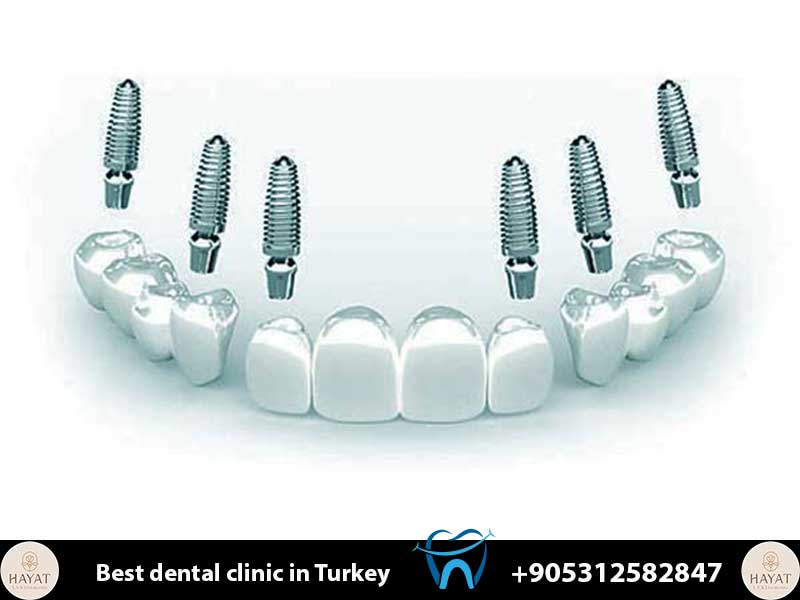
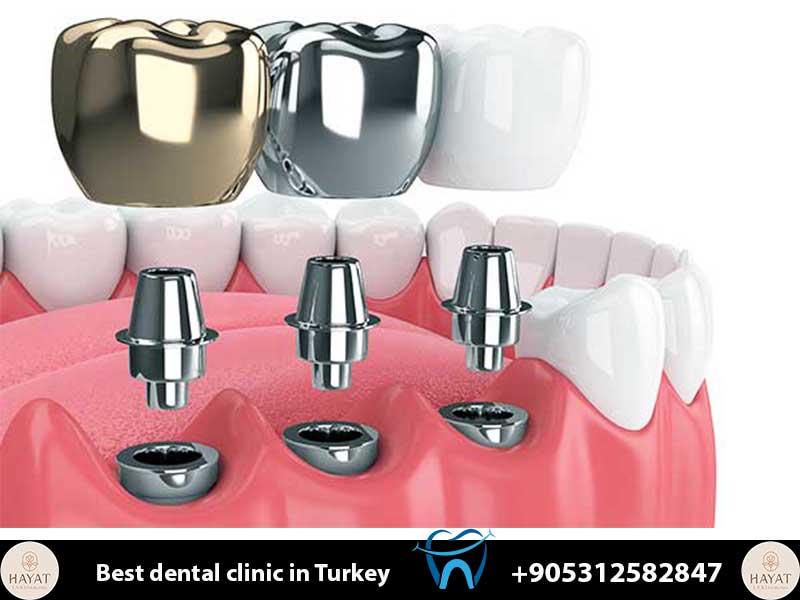
- Two-Piece Design: Most titanium implants consist of the post and a separate connector (abutment). This allows the surgeon more flexibility in positioning the final tooth.
- High Ductility: Titanium can withstand the immense pressure of chewing without fracturing.
- Longevity: Clinical data exists for titanium implants lasting 30+ years.
2. What are Zirconia Implants? (The Aesthetic Challenger)
Zirconia dental implants are often referred to as “ceramic implants.” However, zirconia is technically a transition metal chemically processed into a ceramic form (Zirconium Dioxide). It was introduced as a 100% metal-free alternative for patients concerned about sensitivities or those desiring a more “natural” holistic approach.
Key Features of Zirconia:
- Bio-Inertness: Zirconia is highly resistant to chemical corrosion and does not release ions into the bloodstream.
- One-Piece Design: Traditionally, many zirconia implants were a single piece (post and abutment combined), though modern two-piece versions are now emerging.
- White Color: Because the implant itself is white, it eliminates the “gray shadow” that can sometimes appear through thin gum tissue with metal implants.
3. Deep-Dive Titanium vs Zirconia Implants Comparison
To make an informed decision, we must look at the five critical pillars of implant success:
A. Osseointegration (Bone Fusion)
Both materials are biocompatible, meaning the body does not reject them. However, titanium currently holds the lead in clinical success rates. The microscopic “roughness” of titanium surfaces, especially in brands like Straumann or Nobel Biocare, allows bone cells to attach more aggressively than they do to the smoother surface of zirconia.
B. Strength and Durability
Titanium is a metal, and like all metals, it has high “fracture toughness.” It can bend slightly under extreme force rather than breaking. Zirconia, while incredibly hard, is a ceramic. This means it is more brittle. While rare, zirconia implants have a slightly higher risk of developing micro-cracks over decades of heavy chewing.
C. Aesthetics and Soft Tissue
This is where zirconia wins. For patients with thin or “receded” gum tissues, a titanium implant can sometimes leave a dark, metallic tint at the gum line. Zirconia’s white color ensures that even if gums recede slightly over time, the smile remains naturally bright. Furthermore, studies suggest that soft tissues (gums) tend to adhere very well to zirconia, potentially reducing the risk of plaque accumulation.
D. Allergy and Sensitivity
Approximately 0.6% of the population has a documented titanium allergy. For these individuals, zirconia is the only safe option. Even for patients without a diagnosed allergy, those who follow a “Holistic” or “Metal-Free” lifestyle prefer zirconia to avoid having any metal in their body.
E. Surgical Flexibility
Titanium is easier for the surgeon to work with. Because it usually comes in two pieces, the surgeon can place the implant at an angle to avoid a nerve or sinus, and then use a “custom abutment” to straighten the tooth. Zirconia implants often require a more perfect bone volume because the angles are harder to adjust once the implant is placed.
4. Comparison Table: At-a-Glance
| Feature | Titanium Implants | Zirconia (Ceramic) Implants |
| Material | Titanium Alloy (Metal) | Zirconium Dioxide (Ceramic) |
| Metal-Free? | No | Yes |
| Aesthetics | Good (can show through thin gums) | Superior (Natural white) |
| Bone Fusion Rate | Extremely High (98%+) | High (95%+) |
| Fracture Risk | Extremely Low | Low (but higher than metal) |
| Design | Usually 2-piece (Flexible) | Often 1-piece (Rigid) |
| Clinical History | 50+ Years | 15+ Years |
5. Cost Comparison in Turkey (2026)
At Hayat Laviva Clinic, we offer both options. Due to the complex manufacturing process of ceramic, zirconia implants are generally more expensive.
| Implant Type | Turkey (Hayat Laviva) | UK / USA / Europe |
| Premium Titanium (Straumann) | €750 – €1,100 | €2,800 – €4,500 |
| Premium Zirconia (Ceramic) | €1,000 – €1,500 | €3,500 – €5,500 |
| VIP Transfer & 5-Star Hotel | Included | Not Provided |
| Total Estimated Savings | 70% – 80% | 0% |
6. Realistic Medical Guidance: Which One Should You Choose?
Our “Success Together” protocol suggests the following guidelines:
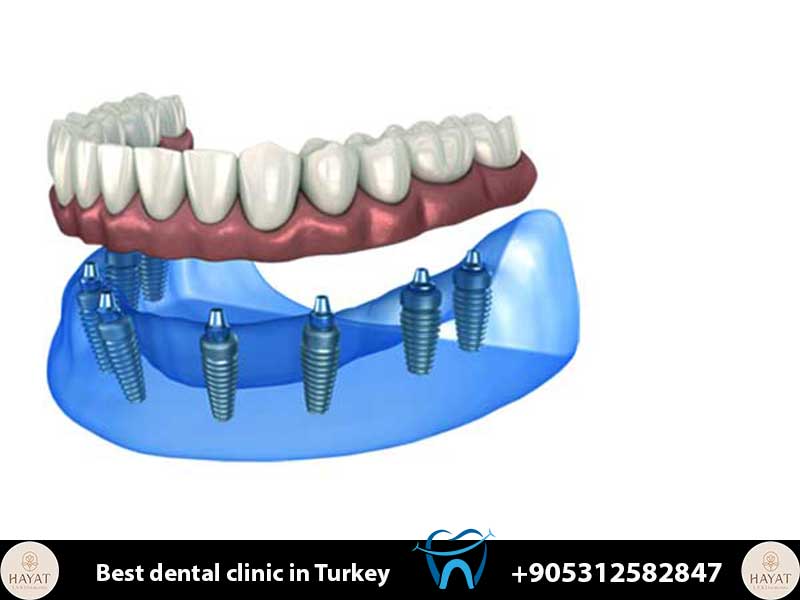
- Choose Titanium If: You are replacing back molars (where chewing force is highest), you require a full-arch restoration (like All-on-4), or you need a bone-grafting procedure that requires surgical flexibility.
- Choose Zirconia If: You are replacing a front tooth in a high “aesthetic zone,” you have very thin gums, you have a known metal sensitivity, or you are committed to a 100% metal-free lifestyle.
7. Why Choose Hayat Laviva Clinic for Your Implants?
The success of a titanium vs zirconia implants comparison isn’t just about the material; it’s about the expertise of the surgeon.
- Bio-Digital Planning: We use 3D CBCT scans to analyze your bone density. Whether you choose metal or ceramic, we ensure the implant is placed in the optimal “Safe Zone.”
- Premium Brand Access: We only use world-leading brands (like Straumann for both titanium and ceramic) that offer global lifetime warranties.
- Specialized Surgeons: Our maxillofacial specialists are trained in the specific surgical protocols required for the brittle nature of zirconia and the mechanical requirements of titanium.
- VIP Concierge Care: We manage your entire journey in Istanbul, ensuring you focus only on your healing while we handle the logistics.
❓ FAQ: Titanium vs Zirconia Implants Comparison
1. Which is better: titanium or zirconia implants?
Neither is objectively “better” for everyone. Titanium is the gold standard for strength and longevity, while zirconia is the gold standard for aesthetics and those with metal sensitivities. The best choice depends on your bone volume and the location of the missing tooth.
2. Can I be allergic to titanium implants?
Yes, though it is rare (less than 1%). Symptoms can include skin rashes, gum inflammation, or implant failure. If you have a history of metal allergies (e.g., to jewelry), we recommend a MELISA test or opting for zirconia.
3. Do zirconia implants last as long as titanium?
Titanium has a much longer clinical history (50+ years). Modern zirconia implants are very durable, but because they have only been in widespread use for about 15–20 years, we don’t have the same “lifetime” data yet.
4. Are zirconia implants more expensive?
Yes. The manufacturing process of milling a bio-ceramic is more complex than shaping titanium. At Hayat Laviva Clinic, zirconia implants usually cost about 30% more than titanium.
5. Can I get All-on-4 with zirconia implants?
Currently, the “All-on-4” or “All-on-6” protocols are almost exclusively performed with titanium implants due to the mechanical flexibility needed to support a full bridge of teeth.
6. Do zirconia implants look more natural?
Yes, especially in the “smile zone.” Because they are white, they mimic the color of a natural tooth root, whereas titanium can sometimes create a gray tint in the gums.
7. Is the recovery time different for both?
The healing stages (osseointegration) are similar, typically taking 3 to 6 months. However, zirconia often requires a slightly longer “soft food” period because the material is more sensitive to micro-movements during the early healing phase.
🏁 Conclusion: Your Smile, Your Choice
The titanium vs zirconia implants comparison proves that modern dentistry has a solution for every biological need. Whether you prioritize the time-tested strength of titanium or the hypoallergenic beauty of zirconia, the key to success is a precise surgical hand and a clinic that values your individual health.
Ready to make your choice? Contact Hayat Laviva Clinic today for a Free Digital Consultation and let us empower your success together in Istanbul.