How to Fix Bad Veneers Revision Dentistry
Unhappy with your results? Learn how to fix bad veneers revision dentistry. Discover the costs, procedures, and expert 2026 tips to correct a failed smile makeover.
A smile makeover is intended to be a life-changing investment in confidence. However, for some patients, the dream turns into a source of daily anxiety. Whether it is a “bulky” appearance, unnatural color, persistent gum inflammation, or veneers that keep popping off, the reality of a failed cosmetic procedure can be devastating. If you are currently hiding your smile because of poor-quality work, you are likely searching for a solution on how to fix bad veneers revision dentistry.
At Hayat Laviva Clinic, our “Success Together” philosophy is often about more than just creating new smiles; it is about restoring the ones that were mishandled elsewhere. Revision dentistry is a highly specialized field that requires a deeper level of skill than the initial placement. It involves diagnosing why the first set failed and engineering a solution that respects your biological health while delivering the aesthetics you originally expected. In 2026, you don’t have to live with a dental mistake—here is how we fix it.
1. Recognizing the Signs: Why Do Veneers Fail?
Before understanding how to fix bad veneers revision dentistry, we must identify the specific failure. Most patients seeking a revision suffer from one of three primary issues:
- Aesthetic Failure: The veneers look like “piano keys”—too white, too opaque, or too thick. This usually happens when the dentist didn’t shave enough enamel or used low-quality ceramic blocks.
- Biological Failure: This is the most serious. It manifests as bleeding gums, a foul smell, or persistent pain. It often stems from “overhanging margins” where the veneer meets the gum, creating a ledge that traps bacteria.
- Mechanical Failure: The veneers are constantly chipping or falling off. This suggests a problem with the bonding technique or a failure to account for the patient’s bite (occlusion).
2. The Revision Consultation: Diagnostic Precision
The first step in how to fix bad veneers revision dentistry is a comprehensive “Dental Audit.” We cannot simply replace the veneers; we must analyze the foundation.
At Hayat Laviva Clinic, we use 3D CBCT Scans and Intraoral Digital Scanners to see what is happening beneath the porcelain. We check for:
- Enamel Health: How much natural tooth structure is left?
- Gum Symmetry: Is there underlying gingivitis caused by the old veneers?
- Bite Alignment: Is your jaw movement causing the veneers to crack?
Without this data, a second set of veneers is destined to fail just like the first.
3. Removing the Old Work: The Gentle Approach
A major fear in revision dentistry is the further loss of tooth structure. Traditional drills can be aggressive. However, in 2026, we utilize WaterLase or Erbium Lasers to de-bond the old veneers.
The laser vibrates at a frequency that breaks the chemical bond between the porcelain and the tooth without touching the underlying enamel. This ensures that the “fix” doesn’t involve unnecessary shaving, preserving every millimeter of your remaining tooth structure.
4. Healing the Foundation: Periodontal Recovery
In many “bad veneer” cases, the gums are red and inflamed. We cannot place new, high-quality E-max or Zirconia veneers on unhealthy gums.
- Gum Contouring: If the old veneers caused “gum bunching,” we may perform a laser gingivectomy to reshape the gum line for a symmetrical frame.
- Deep Cleaning: We must ensure any infection trapped by poor margins is entirely cleared before the new restorations are bonded.
- Healing Temps: You will be fitted with high-quality, bio-compatible temporary veneers that allow your gums to heal and “settle” into their new position before we take final impressions.
5. Bio-Digital Redesign: Matching Your Face
The secret to how to fix bad veneers revision dentistry is the Digital Smile Design (DSD). Most bad veneers look “fake” because they weren’t designed to match the patient’s facial proportions.
We use AI-driven software to analyze your:
- Interpupillary Line: Ensuring the smile is horizontal to your eyes.
- Lip Line: Making sure the teeth don’t look “too long” when you speak.
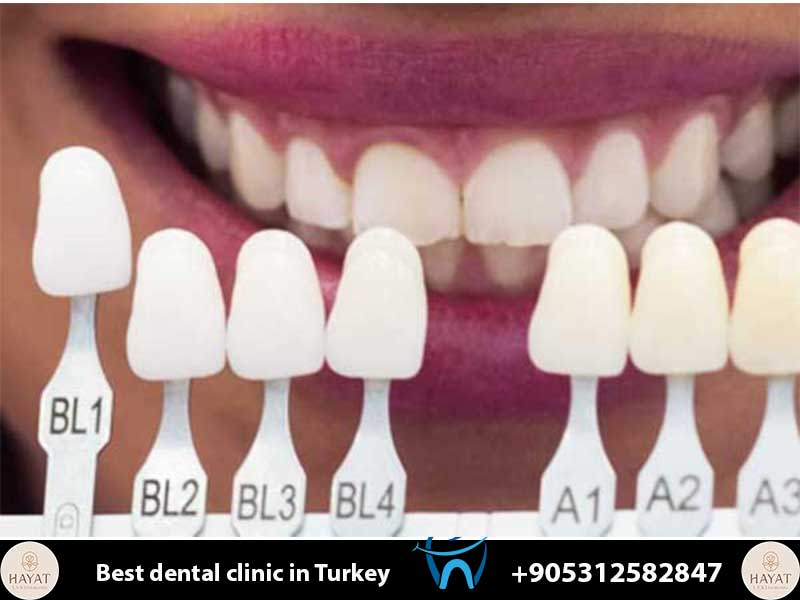
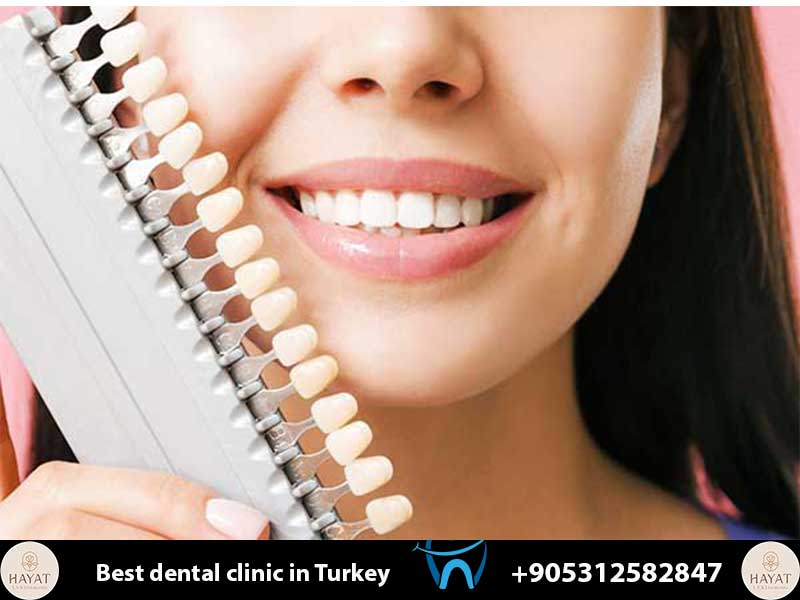
- Skin Tone: Choosing a “Natural White” shade that illuminates your face rather than washing it out.
6. Material Selection: E-max vs. Zirconia in Revision
When fixing bad work, the choice of material is critical.
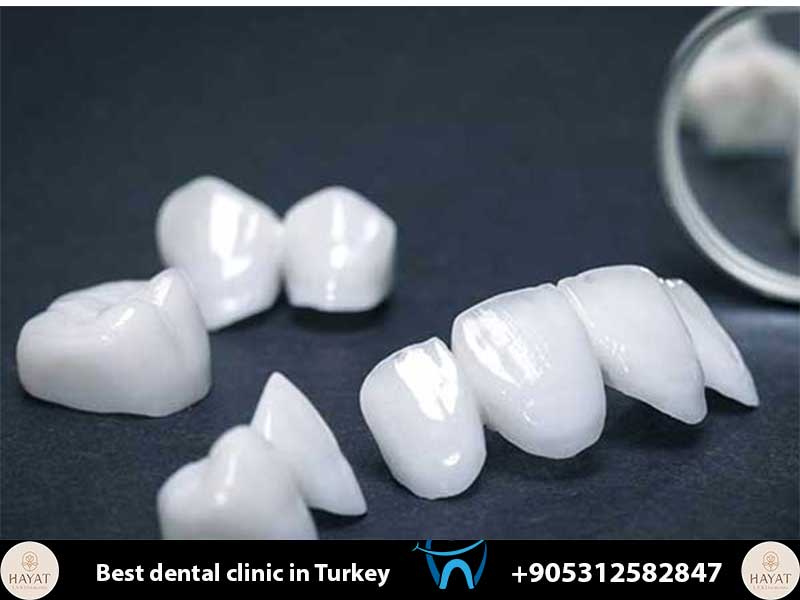
- E-max: Best for fixing “opaque” veneers. Its translucency provides that clear, natural edge that failed veneers often lack.
- Zirconium: Ideal for patients whose old veneers failed due to breakage. It provides the strength needed to withstand a heavy bite while still offering beautiful aesthetics.
| Issue | Old “Bad” Veneer | New Revision at Hayat Laviva |
| Material | Low-grade Feldspathic | Premium Ivoclar E-max / Straumann Zirconia |
| Margins | Thick/Overhanging | Micro-precision (Scanned to 20 microns) |
| Color | Chalky/Monochromatic | Multi-layered / Natural Translucency |
| Preparation | Aggressive or Non-anatomical | Minimally Invasive / Laser-debonded |
7. The Final Bonding: The “Hermetic Seal”
The final step in how to fix bad veneers revision dentistry is the bonding. We use high-end adhesive systems that create a “hermetic seal,” ensuring no bacteria can ever leak underneath. This eliminates the “dark line” and foul smells often associated with poor dental work. We then perform a detailed bite adjustment to ensure your upper and lower teeth meet perfectly, protecting the new porcelain from stress.
Realistic Medical Guidance: Managing Expectations
Revision dentistry is more complex than primary dentistry.
- Timeline: Expect a slightly longer stay. It may take 7 to 10 days in Istanbul to allow for gum healing and laboratory precision.
- Sensitivity: Because the teeth have been “worked on” twice, you may have temporary sensitivity. We use specialized desensitizing agents (like Gluma) to protect the nerve.
- Cost: Revision is often more expensive than the original procedure because it involves the careful removal of old materials and potential gum treatments.
Why Choose Hayat Laviva Clinic for Revision?
We are specialists in “Dental Rescue.” Many clinics avoid revision cases because they are difficult, but at Hayat Laviva Clinic, we thrive on them.
- Revision Specialists: Our prosthodontists have specific training in correcting failed aesthetic cases.
- Laser Technology: We use Erbium lasers to save your enamel during the removal of old veneers.
- Success Together Philosophy: We involve you in the design. You “test drive” your new smile in wax or temporary resin before we fire the final ceramic.
- VIP Care: We understand the trauma of a bad dental experience. Our team provides extra support, including luxury transfers and 5-star accommodation, to make your “fix” a relaxing vacation.
🏁 Your Second Chance at Perfection
A bad veneer experience doesn’t have to be the end of your story. Through the science of how to fix bad veneers revision dentistry, we can reverse the damage, heal your gums, and give you the smile you were promised the first time.
Are you ready to fix your smile? Contact Hayat Laviva Clinic today for a Free Digital Consultation. Send us a photo of your current veneers, and our revision experts will provide a customized plan to restore your confidence.
❓ FAQ: How to Fix Bad Veneers Revision Dentistry
1. What is revision dentistry for veneers?
It is a specialized branch of cosmetic dentistry focused on removing and replacing failed, painful, or aesthetically unpleasing dental veneers.
2. Is it painful to have old veneers removed?
No. Using modern lasers or water-cooled handpieces, the removal is painless and performed under local anesthesia. The laser specifically targets the cement, not the tooth.
3. How long does it take to fix bad veneers in Turkey?
Typically, a revision takes 7 to 10 days. This allows time to remove the old work, allow the gums to settle, and create new, precision-milled restorations in our lab.
4. Can bad veneers cause gum disease?
Yes. If veneers are too thick or have “overhanging margins,” they trap plaque. This leads to chronic inflammation, bleeding, and eventually bone loss if not corrected through revision dentistry.
5. How much does it cost to fix bad veneers?
Revision costs are slightly higher than primary veneers due to the removal process. At Hayat Laviva, prices for high-quality revision work range from €300 to €450 per tooth, including all diagnostic scans.
6. Do I need to get my teeth shaved more for a revision?
Not necessarily. If your previous dentist over-shaved, we focus on “additive” dentistry to restore the tooth. If they under-shaved (causing bulkiness), we refine the prep to allow for a more natural look.
7. Can you fix just one bad veneer?
Yes, but matching a single veneer to existing ones is the hardest task in dentistry. We often recommend revising the “smile zone” (6-8 teeth) to ensure a perfectly harmonious result.