flying after dental surgery safety guidelines
Planning your return flight? Read our flying after dental surgery safety guidelines. Learn when it’s safe to fly after implants, extractions, or veneers.
For the thousands of patients who travel to Istanbul every month for world-class dental care, the journey doesn’t end when the final crown is bonded or the last stitch is placed. The “homebound” leg of the trip is a critical phase of the recovery process. While modern dentistry allows for rapid transformations, the biological reality of healing remains constant. One of the most frequent questions we receive at Hayat Laviva Clinic is: “When is it safe for me to board my plane?” Navigating flying after dental surgery safety guidelines is essential to prevent complications like post-op pain, swelling, or the dreaded “dry socket.”
At Hayat Laviva, our “Success Together” philosophy means we are committed to your health long after you leave our clinic doors. Flying involves unique physiological stressors—specifically changes in atmospheric pressure and low cabin humidity—that can affect surgical sites. Whether you have had a simple filling, a full set of E-max veneers, or complex dental implants, following these 2026 safety protocols ensures that your journey home is as comfortable as your stay in Turkey.
1. The Science of Air Pressure and Your Teeth
To understand flying after dental surgery safety guidelines, we must look at how cabin pressure affects the human body. As a plane ascends, the air pressure in the cabin drops. This causes any trapped air in the body to expand.
- Trapped Air: If a restoration (like a crown or filling) has a microscopic air pocket underneath it, or if there is air trapped in a surgical site, the expansion can cause “Barodontalgia”—sharp, intense tooth pain caused by pressure changes.
- Sinus Pressure: Since the upper teeth are located directly beneath the sinus cavities, any inflammation from surgery can make the pressure changes during takeoff and landing feel significantly more intense.
2. Waiting Times: When Can You Actually Fly?
The type of procedure you’ve had dictates your “No-Fly” window. While everyone heals at different rates, these are the standard flying after dental surgery safety guidelines for 2026:
Routine Procedures (Fillings, Cleanings, Whitening)
- Wait Time: 24 Hours.
- Reason: These procedures are non-invasive. You only need to wait for the local anesthesia to wear off and ensure there is no lingering sensitivity.
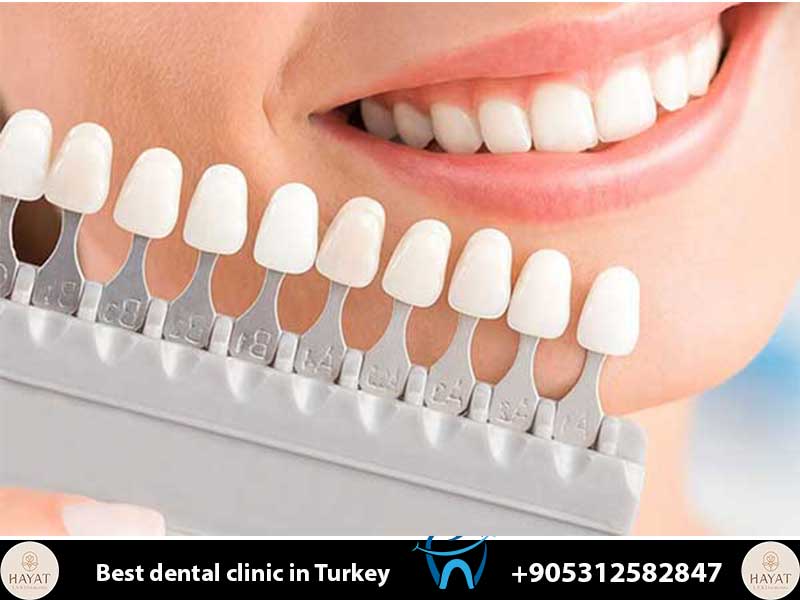
Cosmetic Transformations (Veneers and Crowns)
- Wait Time: 48 Hours.
- Reason: We want to ensure the bonding agent has completely “set” and that your bite feels comfortable. Flying too soon can exacerbate the minor sensitivity that sometimes follows veneer prep.
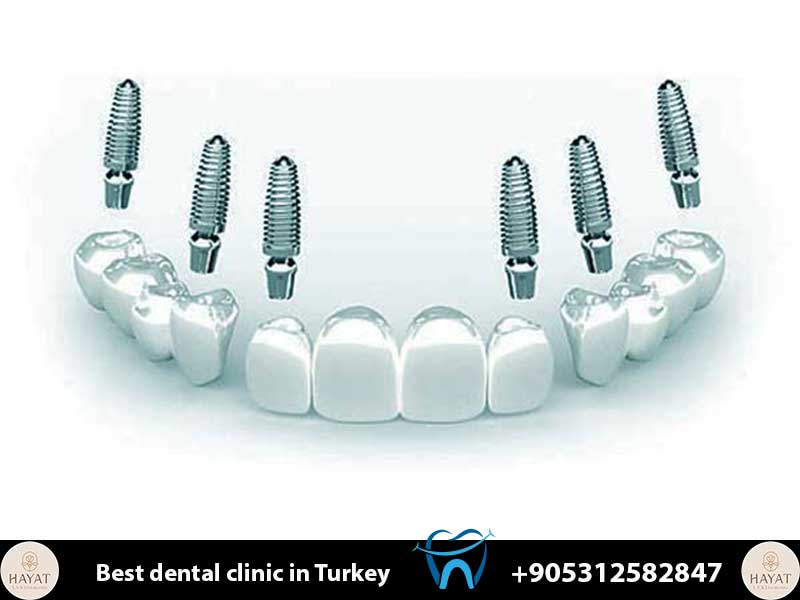
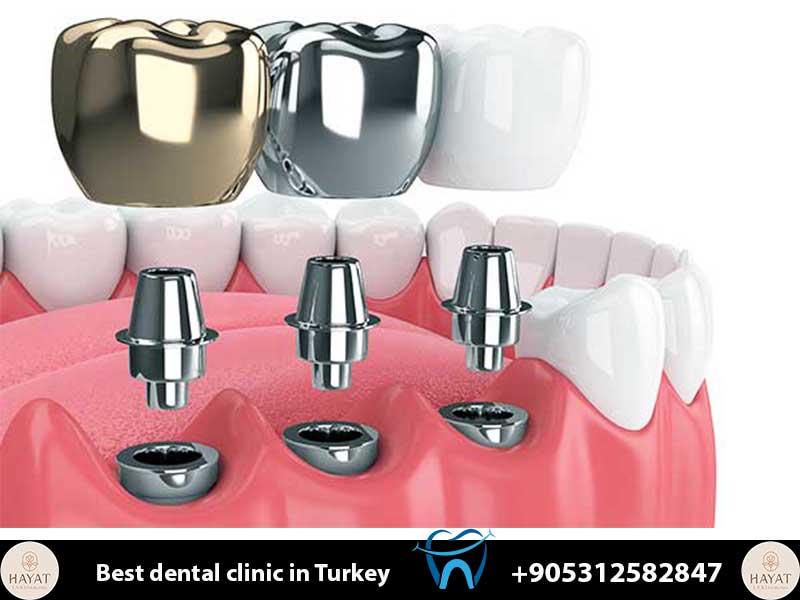
Extractions and Dental Implants
- Wait Time: 3 to 5 Days.
- Reason: These are surgical procedures involving the bone and soft tissue. The risk of bleeding or a “dry socket” (where the blood clot is dislodged) is highest in the first 72 hours. Pressure changes can interfere with clot stability.
Sinus Lifts or Bone Grafting
- Wait Time: 7 to 10 Days.
- Reason: These involve the sinus membrane. Pressure changes during flight can cause significant discomfort or even damage the graft site if the area is still highly inflamed.
3. Managing Swelling During the Flight
Swelling usually peaks 48 to 72 hours after surgery. If your flight falls during this window, you must be proactive.
- Hydration is Key: Cabin air is notoriously dry (often less than 20% humidity). Dehydration slows down healing and makes the mouth feel sore. Drink plenty of water and avoid caffeine or alcohol, which thin the blood and increase the risk of bleeding.
- Cold Compresses: While you can’t bring a traditional ice pack through security, you can ask the flight attendants for a bag of ice wrapped in a towel once you are on board. Apply it in 15-minute intervals to keep inflammation down.
4. Medication and Pain Management Protocols
One of the most important flying after dental surgery safety guidelines is having your “Rescue Kit” in your carry-on luggage—never in your checked bag.
- Pain Relief: Take a dose of your prescribed painkiller (usually Ibuprofen or Paracetamol) about 30-60 minutes before takeoff. This ensures the medication is active when the pressure changes begin.
- Nasal Decongestants: If you have had upper jaw surgery or implants, a nasal spray can help keep the sinus passages open, making the pressure equalization during landing much easier.
- Antibiotics: If you were prescribed a course of antibiotics, do not skip a dose just because you are traveling. Consistency is vital to preventing infection.
5. Comparison: Procedure vs. Recovery Window
| Procedure | Level of Invasion | Recommended Wait | Main Risk During Flight |
| Whitening | Non-Invasive | 24 Hours | Mild Sensitivity |
| Veneers/Crowns | Minimal | 48 Hours | Pressure Sensitivity |
| Root Canal | Moderate | 48 – 72 Hours | Trapped Air Pain |
| Simple Extraction | Surgical | 72 Hours | Bleeding / Dry Socket |
| Dental Implants | Surgical | 3 – 5 Days | Swelling / Discomfort |
| Sinus Lift | Advanced | 7 – 10 Days | Sinus Pressure / Graft Displacement |
6. What to Do if You Experience a Problem Mid-Flight
If you follow the flying after dental surgery safety guidelines, complications are rare. However, if they occur, stay calm:
- Bleeding: If a surgical site starts to bleed, bite down firmly on a clean piece of gauze (which should be in your carry-on) for 30 minutes without stopping. The pressure will help reform the clot.
- Intense Pain: If you experience severe pressure pain during landing, try “equalizing” your ears by yawning or gently swallowing. Do not blow your nose forcefully if you have had upper jaw surgery.
- Lost Crown/Veneer: This is rare with modern bonding, but if it happens, keep the restoration safe and contact us immediately upon landing. Do not try to superglue it back yourself!
7. Realistic Medical Guidance: The “Fit to Fly” Check
At Hayat Laviva Clinic, we don’t just give you a date; we perform a final clinical check before you head to the airport.
- The Suture Check: We ensure all stitches are secure.
- The Hemostasis Check: We verify there is no active bleeding.
- The Bite Check: We make sure your jaw moves naturally, which prevents muscle strain during the flight.
- Documentation: We provide you with a “Fit to Fly” letter and a copy of your X-rays. This is useful if you are carrying syringes (for certain medications) or if you need to explain your condition to airline staff.
Why Choose Hayat Laviva Clinic for a Safe Journey?
We recognize that your “Success Together” story requires a safe return home. We support your travel through:
- Bespoke Recovery Scheduling: We schedule your surgery at the beginning of your trip to maximize your “ground recovery” time before you fly.
- VIP Transport Coordination: Our chauffeurs manage your luggage and ensure a smooth ride to the airport, reducing physical strain.
- 24/7 Digital Aftercare: Our team is available via WhatsApp or video call even while you are at the airport or once you land.
- Transparency: We will never clear a patient to fly if we have concerns about their healing. Your safety is more important to us than your flight schedule.
🏁 Your New Smile Deserves a Smooth Landing
Following the flying after dental surgery safety guidelines is the final step in your transformation. By respecting your body’s need for time and managing the unique environment of air travel, you ensure that the high-quality work done in Istanbul stays perfect for a lifetime.
Are you ready to plan your safe dental journey? Contact Hayat Laviva Clinic today for a Free Digital Consultation. Send us your details, and we will build a treatment timeline that prioritizes your clinical success and your travel safety.
❓ FAQ: Flying After Dental Surgery Safety Guidelines
1. Is it safe to fly immediately after a dental implant?
No. We recommend waiting at least 3 to 5 days after implant surgery. This allows the initial swelling to subside and ensures the blood clot at the surgical site is stable enough to withstand cabin pressure changes.
2. Can the cabin pressure make my veneers pop off?
No. Modern dental adhesives used at Hayat Laviva create a chemical bond that is not affected by air pressure. However, you may feel minor sensitivity in the underlying tooth during takeoff.
3. What is Barodontalgia?
It is tooth pain caused by a change in environmental pressure. It usually happens if there is a tiny pocket of air trapped under a filling or crown, or if there is inflammation in the pulp of the tooth.
4. Should I avoid certain foods at the airport?
Yes. Stick to the soft-food diet we recommend. Avoid very hot or very cold drinks, and stay away from crunchy snacks (like airport pretzels) that could irritate your surgical sites or dislodge a temporary crown.
5. What if I am flying long-haul (more than 6 hours)?
For long-haul flights, hydration is even more critical. Walk around the cabin every hour to keep circulation moving, and ensure you have enough prescribed pain medication to last the duration of the flight.
6. Can I take an airplane nap after surgery?
Yes, but try to keep your head elevated. Sleeping flat can increase blood flow to the head and cause more swelling. Use a travel neck pillow to keep your head upright.
7. Does the clinic provide a “Fit to Fly” certificate?
Yes. At Hayat Laviva, we provide all necessary documentation for your airline and customs, especially if you are traveling with medications or have had significant oral surgery.